Sanakirja
Tekoälykääntäjä

Kuvat
17

Vaihtoehtoiset kirjoitusmuodot
| Kieli | Käännökset |
|---|---|
| espanja | brigantina |
| portugali | brigantina |
| tšekki | brigantina, brigandýna |
Määritelmät
Substantiivi
Esimerkit
- The brigandine takes its name from the troops, by which it was first worn, who were called brigans, they were a kind of light armed irregular foot, much addicted to plunder, whence it is probable the appellation of brigands was given to other freebooters.
- Red-haired and freckled, he wore a studded brigantine, high boots, fingerless leather gloves, and a quiver on his back.
Taivutusmuodot
| Monikko | brigandines |
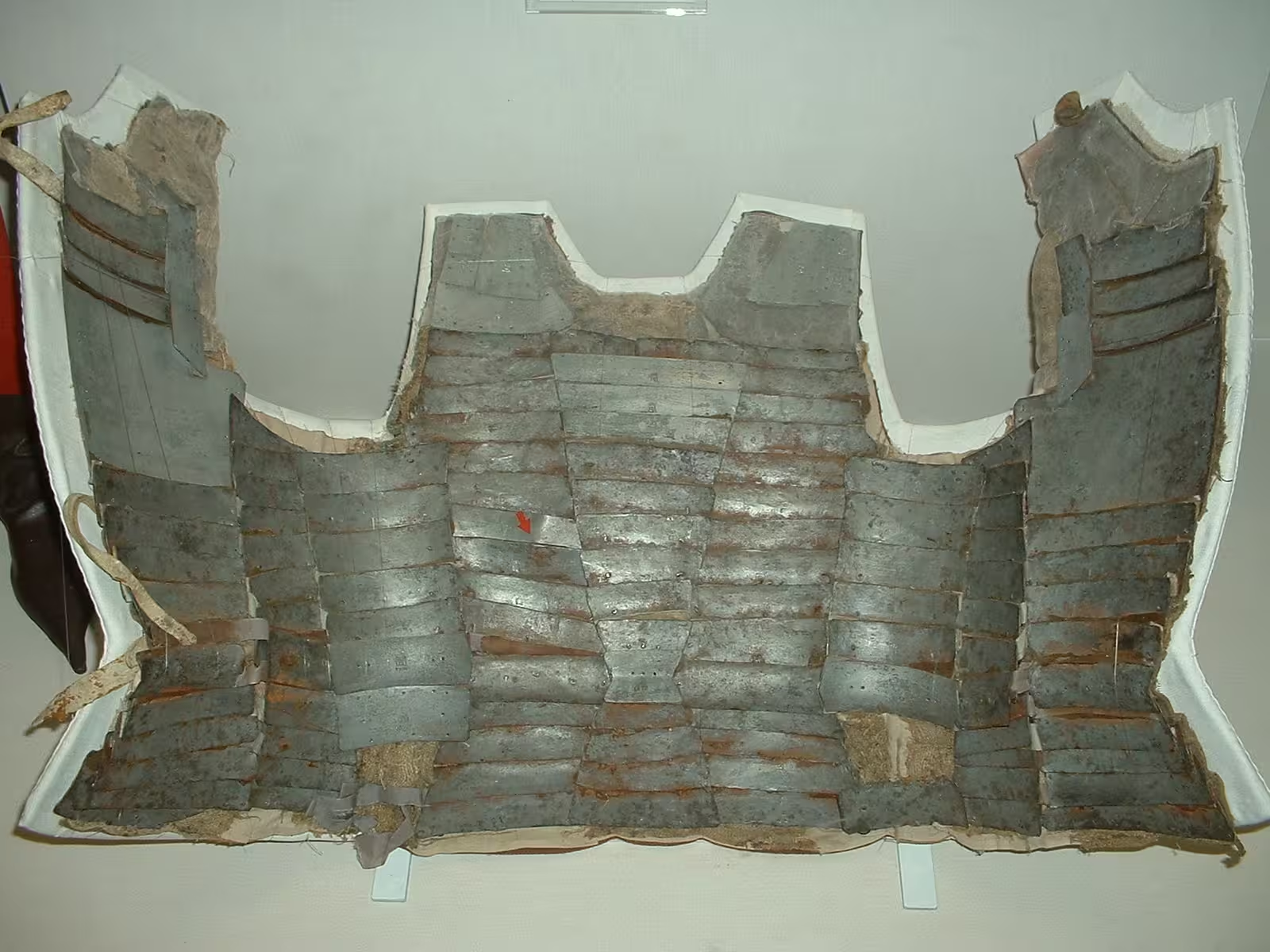
(historical) A coat of armor for the body, consisting of scales or plates, sometimes overlapping each other, generally of metal, sewn or riveted under or onto canvas or linen or other material.

Brigandine from Handbuch der Waffenkunde (Handbook of Weaponry), Wendelin Boeheim, 1890