Sanakirja
Tekoälykääntäjä

Kuvat
12


| Kieli | Käännökset |
|---|---|
| japani | わきざし (wakizashi) |
| ranska | wakizashi |
Määritelmät
Substantiivi
- A traditional Japanese shortsword, typically 30cm to 60cm (or nearly 12 inches to approx. 23.6 inches) in length, often used as a secondary weapon to a katana.
Taivutusmuodot
| Monikko | wakizashi |
| Monikko | wakizashis |
Luokat
A traditional Japanese shortsword, typically 30cm to 60cm (or nearly 12 inches to approx. 23.6 inches) in length, often used as a secondary weapon to a katana.
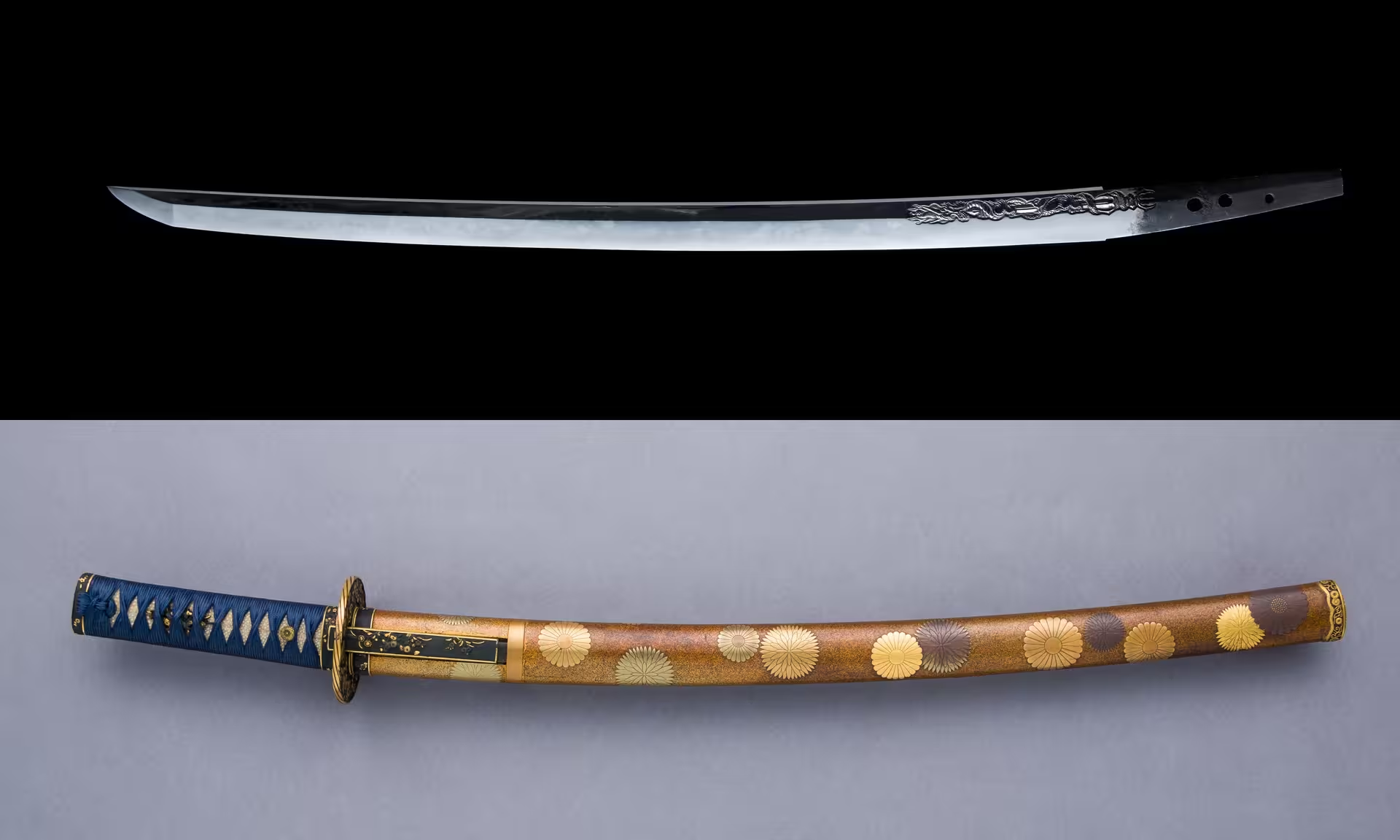
Blade and mounting for a wakizashi. The blade was made by Soshu Fusamune. Blade, late 15th–early 16th century; mounting, 18th century. There were many different makers for the katana. The Metropolitan Museum of Art
A traditional Japanese shortsword, typically 30cm to 60cm (or nearly 12 inches to approx. 23.6 inches) in length, often used as a secondary weapon to a katana.

Antique Japanese daishō, the traditional pairing of two Japanese swords which were the symbol of the samurai, showing the traditional Japanese sword cases (koshirae) and the difference in size between the katana (bottom) and the smaller wakizashi (top).
A traditional Japanese shortsword, typically 30cm to 60cm (or nearly 12 inches to approx. 23.6 inches) in length, often used as a secondary weapon to a katana.

Although the number of forged swords decreased in the Meiji period, many artistically excellent mountings were made. A wakizashi forged by Soshu Akihiro. Nanboku-chō period (top). Wakizashi mounting, Early Meiji period (bottom).