Sanakirja
Tekoälykääntäjä


Vaihtoehtoiset kirjoitusmuodot
| Kieli | Käännökset |
|---|---|
| espanja | macroeconómico |
| italia | macroeconomico |
| kreikka | μακροοικονομικός (makrooikonomikós) |
| ranska | macroéconomique |
| saksa | makroökonomisch |
| suomi | makrotaloudellinen |
| tšekki | makroekonomický |
Määritelmät
Adjektiivi
- Relating to macroeconomics.
- Relating to the entire economy, including the growth rate, money and credit, exchange rates, the total amount of goods and services produced, total income earned, the level of employment of productive resources, and the general behavior of prices.
Esimerkit
- ~ trends makrotalouden trendit
Taivutusmuodot
| Komparatiivi | more macroeconomic |
| Superlatiivi | most macroeconomic |
Luokat
Relating to the entire economy, including the growth rate, money and credit, exchange rates, the total amount of goods and services produced, total income earned, the level of employment of productive resources, and the general behavior of prices.
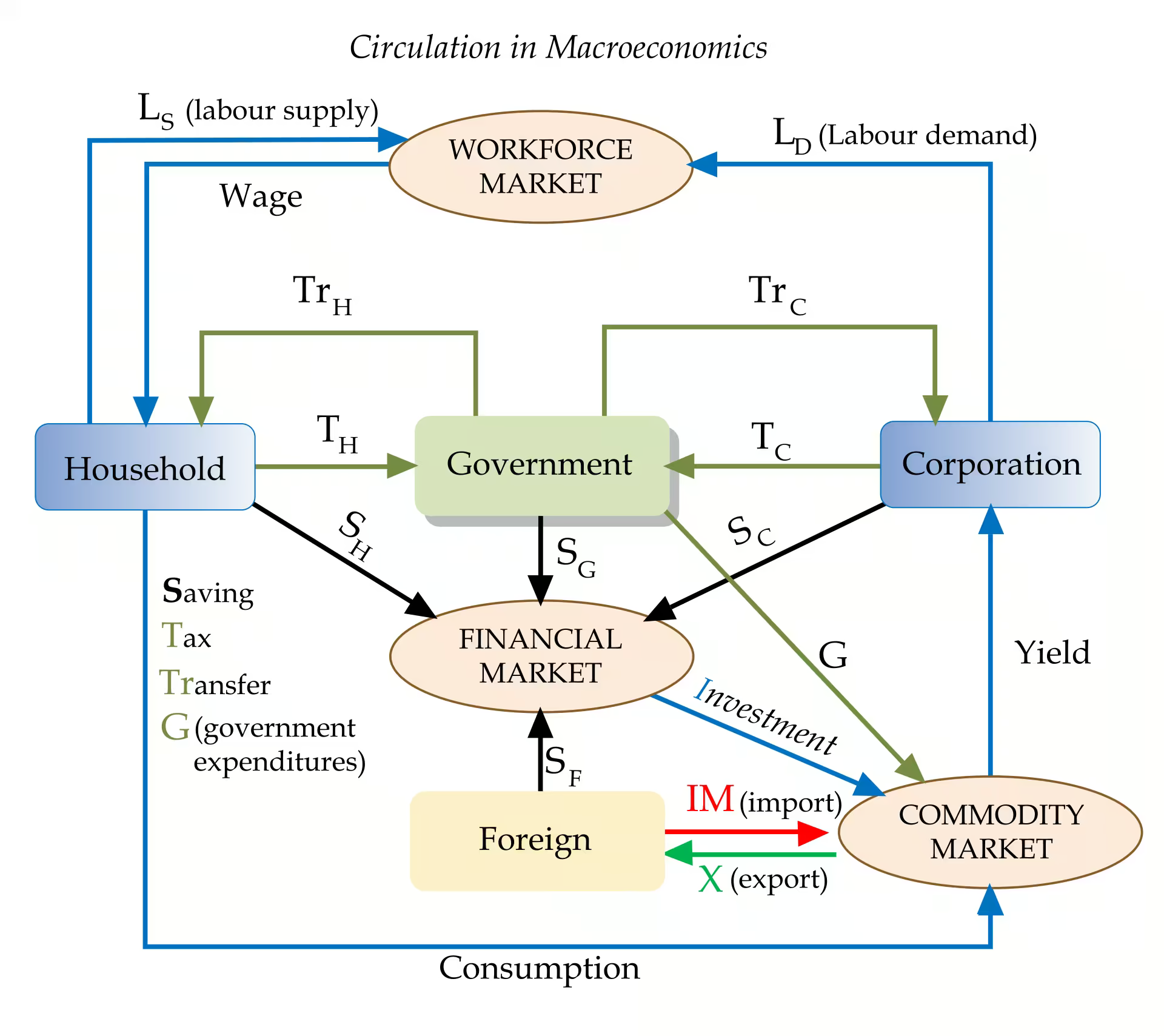
Production and national income: Macroeconomics takes a big-picture view of the entire economy, including examining the roles of, and relationships between, firms, households and governments, and the different types of markets, such as the financial market and the labour market.
Relating to the entire economy, including the growth rate, money and credit, exchange rates, the total amount of goods and services produced, total income earned, the level of employment of productive resources, and the general behavior of prices.

A chart using US data showing the relationship between economic growth and unemployment expressed by Okun's law. The relationship demonstrates cyclical unemployment. High short-run GDP growth leads to a lower unemployment rate.
Relating to the entire economy, including the growth rate, money and credit, exchange rates, the total amount of goods and services produced, total income earned, the level of employment of productive resources, and the general behavior of prices.
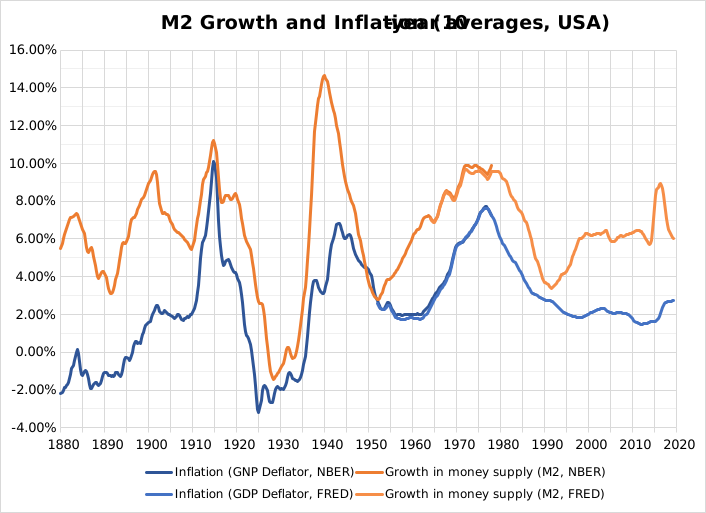
Changes in the ten-year moving averages of price level and growth in money supply (using the measure of M2, the supply of hard currency and money held in most types of bank accounts) in the US from 1880 to 2016. Over the long run, the two series show a clear positive correlation.